


Today I’ve seen 3 imagined re-castings of The Odyssey, a person explaining in great detail how the book Yesteryear should have ended, and many people telling The Strokes and Charli XCX that their old stuff was better, and they should just do more of that.
On the surface, these appeared to be reviews or criticisms, but these were not actually critiques, rather attempts to control. A worthwhile critique should be based in what worked and what didn’t work, not telling an artist that they should have made something else entirely.
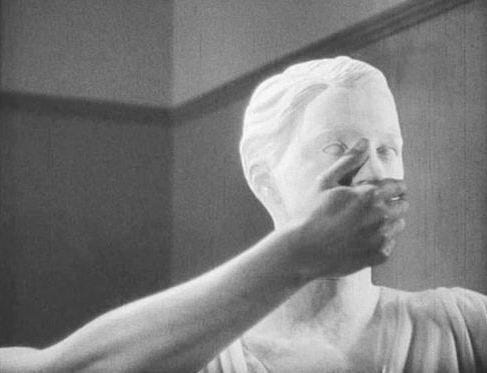
I think it’s important that audiences discuss and share opinions about the art they are experiencing, it’s a vital part of culture, but that’s not what’s happening here. This is an attempt to bend the world around them to meet their specific preferences, while being unwilling to engage with it if it isn’t what they wanted it to be.
To me, this attitude suggests a failure to actually interact with the work for what it is. There is an inability to consider art that is beyond their own personal tastes. Audiences seem less able to accept that an artist may have a different vision and maybe that vision exists for a reason. They’re also not accepting that other members of the audience may have enjoyed it and thought it was a success. It seems they put their own personal feelings above anyone else’s.
The insistence on boycotting art because of the casting, or review bombing things with 1 star because it didn’t end how they wanted it to, suggests that there is an anger attached to the audience not getting their own way. The artist must be punished for not catering to each individual’s preference. The audience is putting themselves in the position of a customer, and the belief is that the customer is always right, even if every customer has different demands.
There is an unspoken inference that the audience knows better than the professionals involved, professionals who likely spent years working on their craft and building their audience. There is a lack of respect for the artist, their evolution, and their instincts. They end up being treated as kind of court jesters who are displeasing us.
This isn’t to say that artists don’t make mistakes or that they don’t sometimes make bad work, they do, but if they’re releasing this work and standing behind it, then we have to respect it for what it is rather than what we personally wanted it to be. We can criticize what we thought was strong or weak, but to tell them what they should have done instead is just kind of unhelpful. If anything, this desire for control only gets in the way of actual constructive criticism. There is nothing to do with this feedback because it isn’t rooted in reality.
Comparing something to an imagined version is unfair because the imagined version can be perfect, it isn’t real. It’s whatever popped into their head. No actors had to actually sign on, no producers and musicians had to form any partnerships, no writer had to go through edits with teams of people telling them what to change.
If you’ve ever worked on a creative project in any professional capacity, you know how hard it actually is to pull things together, to get people on board, to hit the right stride. In our heads, we don’t have to do any of that, we can just tell people to replicate something that might not be replicable, we don’t have to consider any logistics, we don’t have to consider anyone’s input or taste other than our own, and above all, we never have to face reviews or judgments ourselves.
I think this need for control is an obvious reaction to a world where we are increasingly catered to. We have less tolerance for things that are outside of our own personal taste or comfort zones. But I also wonder if it’s a symptom of a world where a lot of people seem to be creatively stunted. Many people don’t have any creative outlets other than what they consume. By telling other artists what to do, maybe it acts as a surrogate to being creative.
But what scares me most about this penchant for control, is that with the introduction of generative AI, the average person can actually be in control now. What’s stopping someone from making AI rewrite the ending of a book that is in direct opposition to the writer’s vision, or forcing actors to be in a movie they didn’t want to be in, or trapping a musician into remaking their old stuff for eternity.
I think it defeats the purpose of art. Art cannot be untied from the artist’s vision and experience of the world, because that’s the reason it exists. We don’t always have to like it, but seeking this kind of control means that we end up cutting ourselves off from expanding our own tastes and worldviews. Artists will evolve, they will do things you disagree with. Trying to control it, misses the point.
The only way to ever actually control art is by becoming an artist yourself, putting your own work out there and standing behind it. Once you become an artist, then you might actually end up respecting art for what it is.

This really hits the right snare. If you do not enjoy something, it may just not be for you.
People's expectations have shifted from wishing to experience an artist's art, to wishing to control what the artist makes. And industries seem to follow this lead. Artists are more and more forced to follow what the people want, instead of being given the freedom to create what they want.
There is a growing entitlement that everything must go as one wishes, evident in art and beyond—in a sense, we are all gods.